
As we speak with manufacturing leaders across the country about the future of robotic automation, they rarely say, “We don’t believe in automation.” There’s almost a universal understanding about its benefits and the importance of adoption to remain competitive.
Instead, many often ask reasonable, operationally grounded questions that might delay the decision. Those questions often translate into potential obstacles that fall into four main categories:
- Demand, Volume and Competitive Timing
- Manufacturing Labor Shortages
- ROI and Investment Risk
- Production Disruption and Flexibility
Here are 10 common questions we hear from manufacturing leaders addressing each of those concerns, including our thoughts on why the hesitation behind them often carries more risk than moving forward with automation.
Questions About Demand, Volume, and Competitive Timing of Automation
1. Should we wait until we have more orders?
Underlying Concern: Having enough volume to justify the investment.
Automation should not be reserved for peak volume. Waiting for “more orders” often means you are reacting instead of preparing. Right-sized robotic cells can scale with your business, and strategic automation positions you to confidently pursue new business, knowing you can deliver consistent quality, throughput, and margin.
2. Should we wait until demand stabilizes?
Underlying Concern: Market volatility and short-term surges make capital spending feel risky.
Volatility is precisely why flexibility matters. Slowed production or temporary spikes can both cause disruption. Modern robotic systems are configurable, scalable, and adaptable to changing SKUs, capacity, and production needs. A well-engineered automation solution helps provide predictable output. Leaders who invest during uncertainty often gain a strategic advantage when markets normalize.
3. Can we stay competitive without it for a few more years?
Underlying Concern: Short-term survival vs. long-term positioning.
Possibly. But at what cost? Competitors investing now are improving efficiency, safety, and consistency. Automation is not just about cost reduction; it strengthens delivery performance and customer confidence. Standing still erodes margins gradually, and delayed adoption widens the performance gap and makes catching up more expensive later.
Your Peers Are Implementing Automation Now
Manufacturers in North America ordered 17,635 industrial robots valued at nearly $1.1 billion in the first half of 2025, indicating confidence in automation even amid economic uncertainty.
Source: Association for Advancing Automation, New A3 Report Signals Steady Automation Investment in First Half of 2025, August 18, 2025
Questions About Manufacturing Labor Shortages and Automation Strategy
4. Should we wait until we hire more people?
Underlying Concern: Automation is seen as a substitute only after staffing fails.
A recent concerning report indicates that more than one-quarter of the national industrial workforce is eligible for retirement and is expected to leave up to two million unfilled roles by the early 2030s. Hiring is already difficult, and adding headcount increases exposure to turnover and wage pressure. Robotics handles repetitive or hazardous tasks, allowing skilled employees to focus on higher-value work. The goal is not replacement, rather stability and capability.
5. Will automation disrupt our current workforce?
Underlying Concern: Retention, morale, and cultural resistance.
Change must be managed intentionally. When implemented thoughtfully, automation improves safety and job quality. Many manufacturers find employees welcome relief from repetitive, dangerous tasks. The right partner supports both the technical and human side of integration, and seeks input from operators when designing a solution to ensure smooth adoption and implementation.
6. Can we solve this with overtime instead?
Underlying Concern: Viewing automation as a last resort rather than a strategy.
Overtime may bridge short gaps, but it increases fatigue, safety risk, and long-term labor costs. Automation provides consistent throughput without burnout. Relying on overtime as a strategy signals structural inefficiency and will likely increase turnover risks, adding to labor shortage challenges.
RELATED: How to Combat Labor Shortages With Automation
Questions About Calculating ROI and Managing Automation Investment Risk
7. Can we afford this right now?
Underlying Concern: Capital expenditure pressure.
This is a legitimate concern. Budget constraints are real, but the bigger question may be: what is the cost of not investing? Rising labor costs, injury risk, scrap, and missed orders erode margins quietly. Being open with your automation provider about budget constraints helps them determine a right-sized solution that addresses immediate needs. A properly engineered automation solution aligns scope with financial reality and can scale with your business.
8. What if the ROI takes longer than expected?
Underlying Concern: Uncertainty about payback.
ROI models should be conservative and comprehensive, and experienced integrators design around measurable performance metrics. Beyond labor savings, consider quality improvement, reduced waste, safety gains, customer retention, and employee satisfaction. While payback timing can vary, strategic automation typically delivers value beyond what spreadsheets initially capture.
RELATED: ROI Analysis of a Wet Wipe Lidding Automation Solution
Questions About Production Disruption and Flexibility
9. Will automation disrupt production during installation?
Underlying Concern: Downtime risk.
Installation planning is critical. Experienced integrators design phased implementations, parallel builds, or off-line testing to minimize disruption. Some downtime is realistic, but it should be temporary, minimal, and manageable. The long-term gains in throughput and consistency will outweigh short-term transition impacts considerably. An experienced integrator will work closely with you to ensure the smoothest and fastest transition possible, and train operators so they feel confident using the technology from day one.
RELATED: Protect ROI & Prevent Downtime With Proactive Service
10. What if the technology changes next year?
Underlying Concern: Fear of obsolescence.
Technology evolves, but industrial robotics is mature and stable. Leading manufacturers use modular designs that allow upgrades and reconfiguration, and robotic cells can be designed to scale and be reconfigured to address new or updated SKUs. Waiting for “the next version” often leads to perpetual delay. Well-engineered systems are built for longevity and adaptability. In fact, QComp has robotic integrations that have been in service for decades. With the right design and proper maintenance, obsolescence can become, well, obsolete.
The Greatest Risk: Inaction
Every one of these questions is reasonable. They reflect responsible leadership and a desire to protect your business.
But in times of uncertainty, the real question is whether delaying automation puts your organization at even greater risk.
Another important question is which solution provider you’ll place your trust in. At QComp, we’ve engineered highly complex to simple robotic cells for decades. Serving the glass, consumer goods, food and beverage, and nonwoven industries, we design automation solutions that tackle real-world operational challenges. Contact our experienced team to answer even more questions, and we’ll ask a few of our own to help determine the next step in your automation journey.
Share this
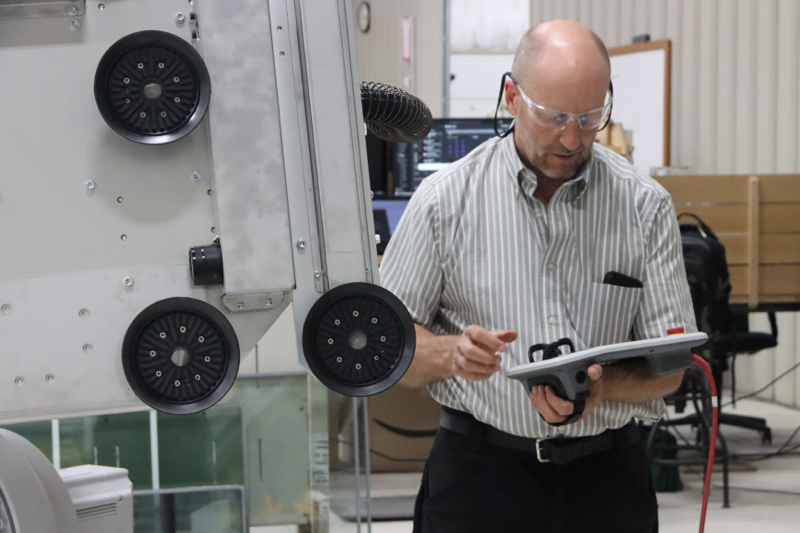
Viewing Automation as a Workforce Strategy, Not a Replacement Strategy
Does automation replace workers? See how manufacturers use robotics to address labor shortages, ergonomics and safety, and support workforce retention.
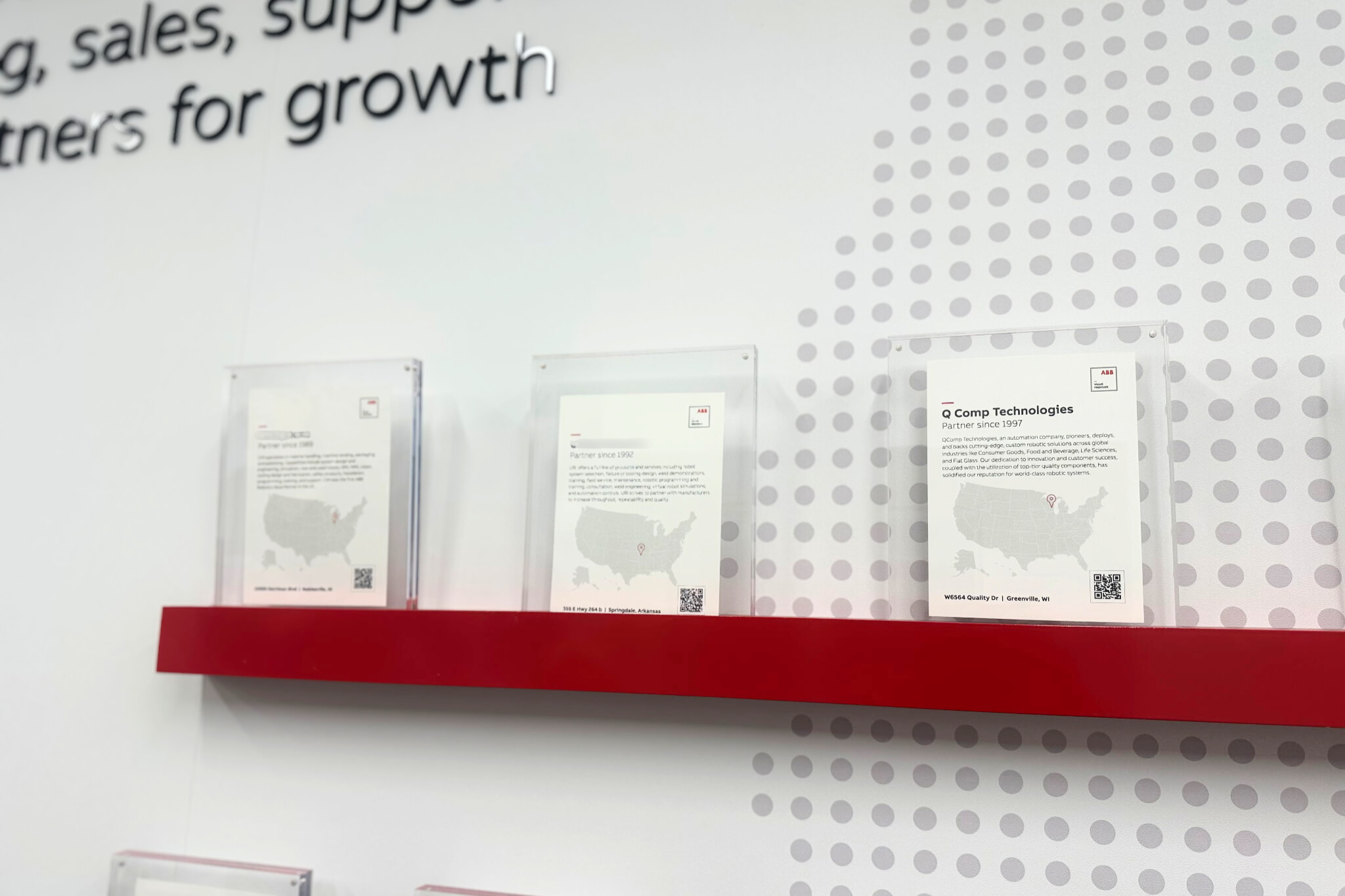
QComp: Proud to Be One of the First ABB Value Providers in the World
QComp was the third company in the world to join ABB’s Value Provider Program. Discover how decades of partnership and proven expertise help us deliver smarter, certified automation solutions that conquer complexity.
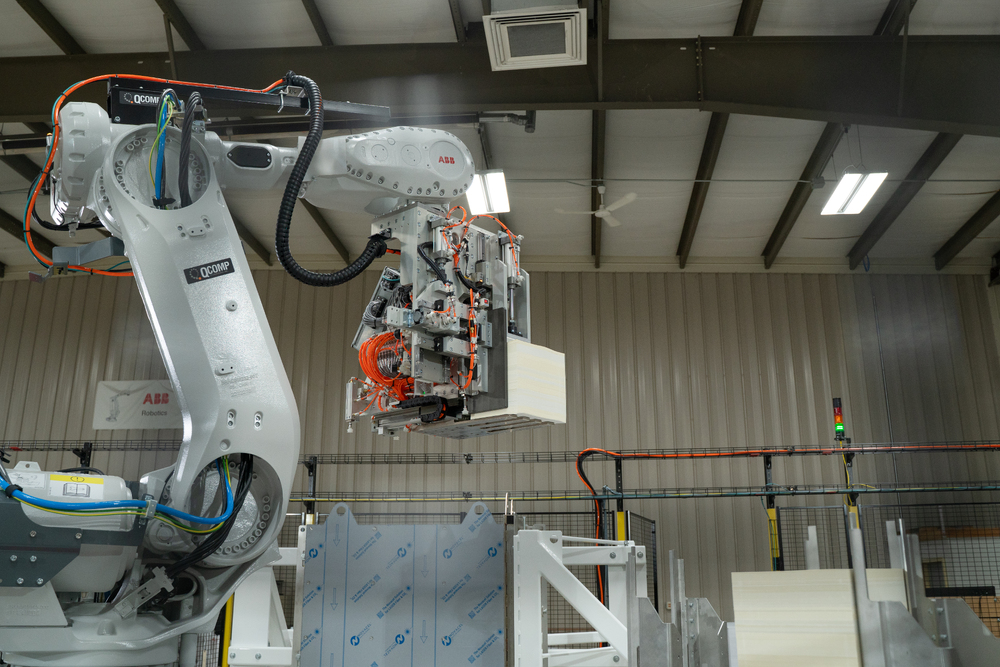
Manufacturing Automation in 2026: Why Waiting Is No Longer a Strategy
Uncertainty is reshaping manufacturing automation in 2026. Learn where automation delivers the most impact, common mistakes to avoid, and how to prepare now.