
What a Robotic Integrator Does
A robotic integrator designs, programs, and installs the system that goes around a robot — the end-of-arm tooling, the vision, the controls, and the software that make it work on your line. Robot manufacturers build the arm; the integrator is the company that turns that arm into a working solution for your specific product and needs.
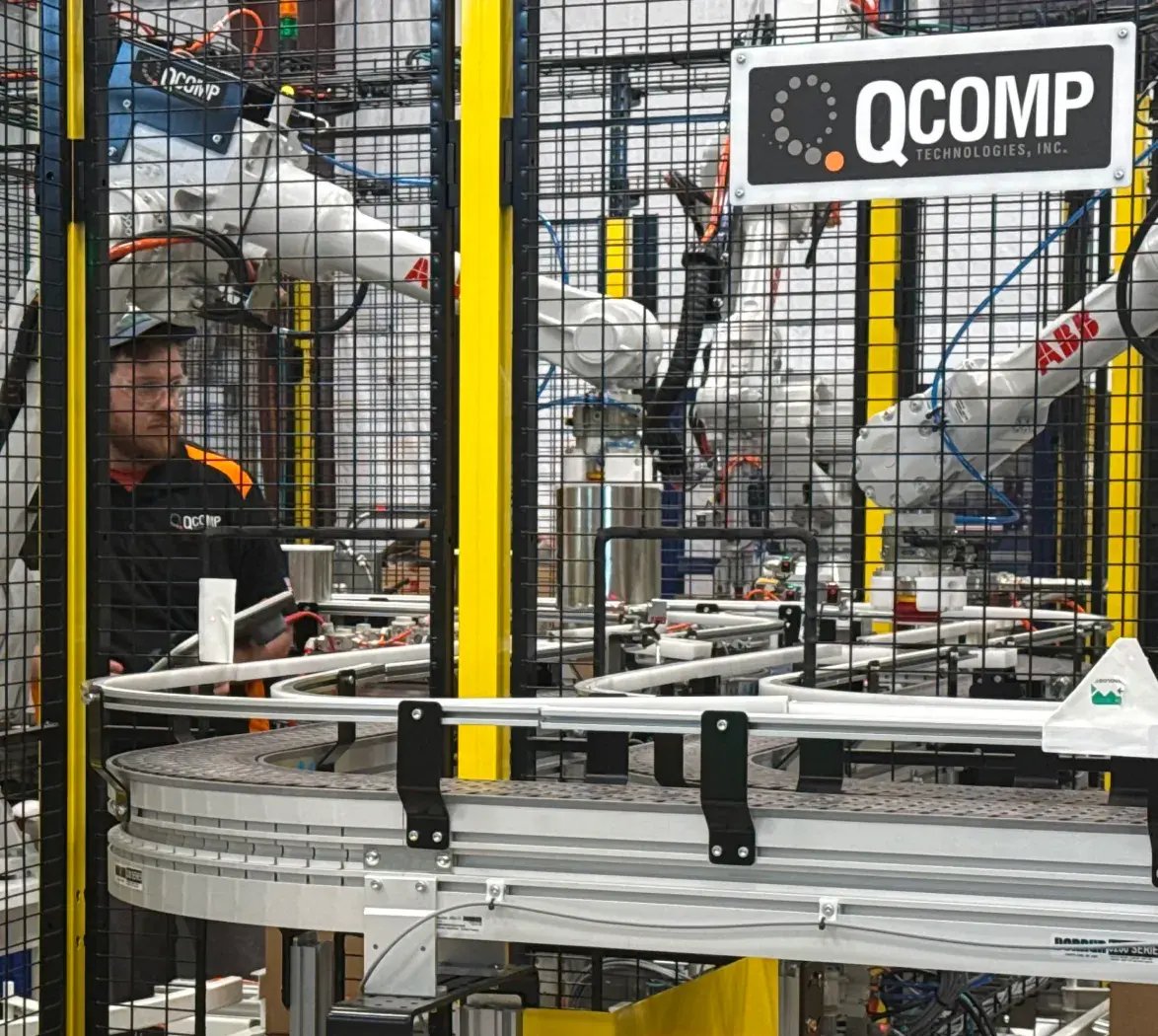
QComp integrates for one purpose: end-of-line material handling. Picking, packing, palletizing, and depalletizing — the point in your process where a finished or semi-finished product has to be moved, oriented, packed, or stacked. We don't build welding cells, general assembly lines, or paint automation. We build systems for products that are hard to automate: large sheets of fragile glass, nonwoven products, flexible film, and raw product that arrives soft or dimensionally different every time.
If your product doesn't fit a catalog robot cell, that's the project we take.


Fragile Glass Handling
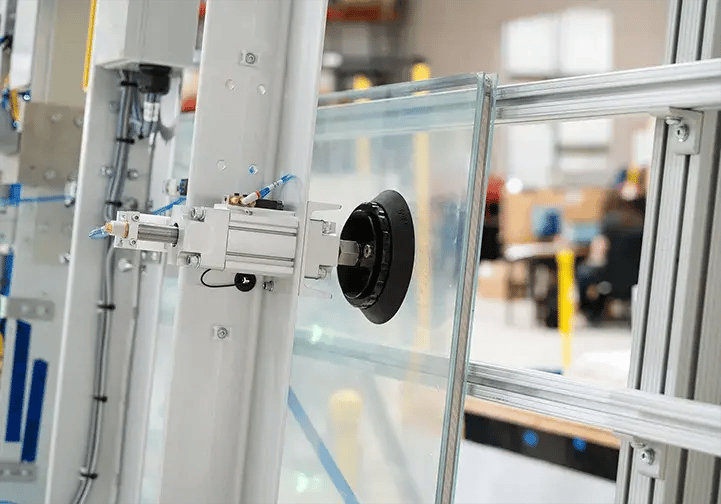
Large, thin glass sheets break if a robot grips them wrong. Too little vacuum and the sheet slips and cracks. QComp has run robotic glass handling systems on production glass lines since 2006, and glass is the application we’ve built more systems for than any other.

Non-Woven Products
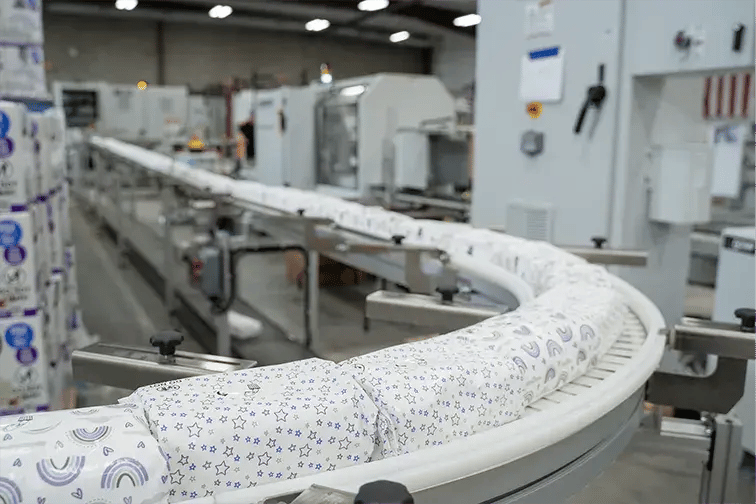
Wet wipe lines need a conveyor, a glue applicator, and a quality control station, all timed off the same encoder, then reprogrammed by SKU when pack size or lid design changes. We’ve built lidding cells running 75 to 90 picks per minute without new hardware for each new product size.
See how QComp automated wet wipe lidding at 90 picks per minute →

Flexible Packaging
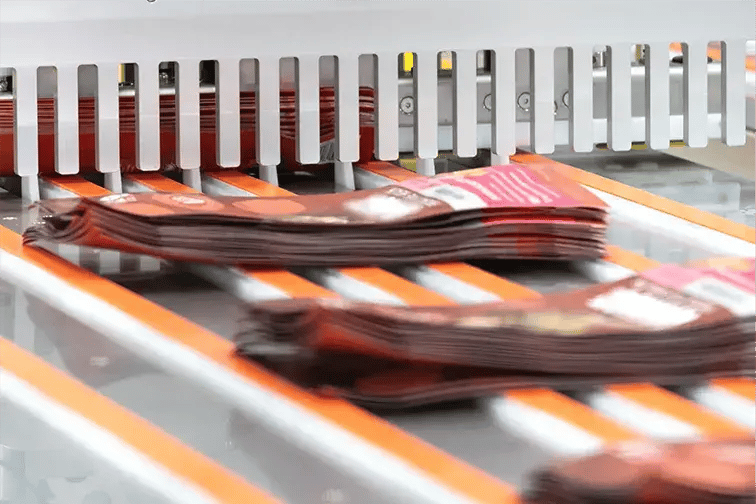
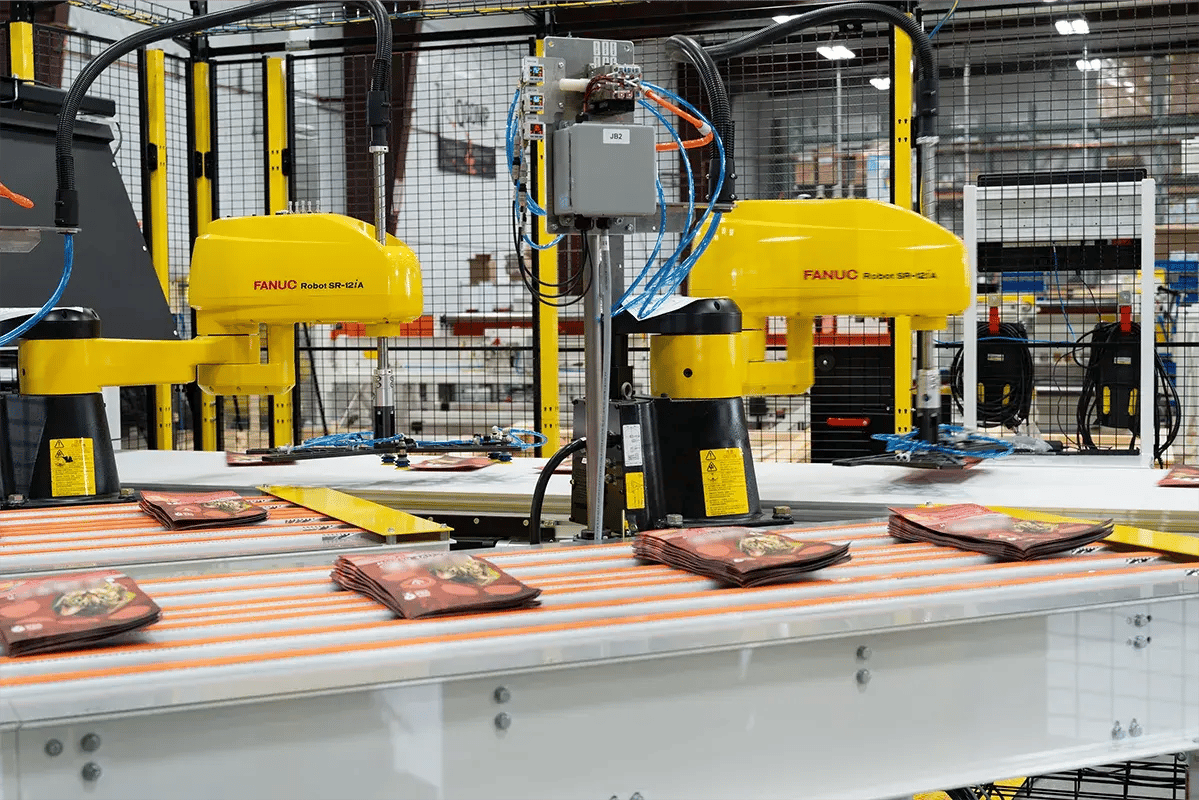
Pouches can be light enough that air pressure alone shifts them off target mid-pick. We’ve engineered gripper and vision systems for a global flexible packaging producer that hold the product steady through the pick and place.
See how QComp solved flexible bag placement without new hardware →

Multi-SKU Lines
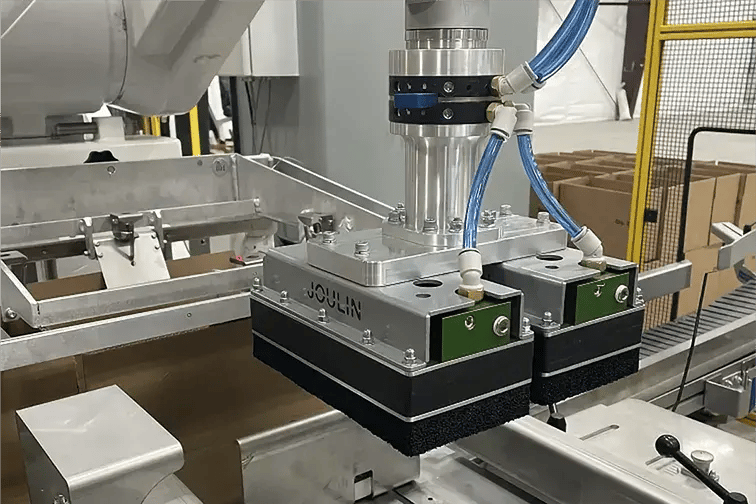
Some manufacturers run several package sizes, carton configurations, and pallet patterns through one line, with product that can’t sit and almost no room for changeover delay. We’ve built systems that handle every configuration without taking time out of production.

Raw, Inconsistent Product
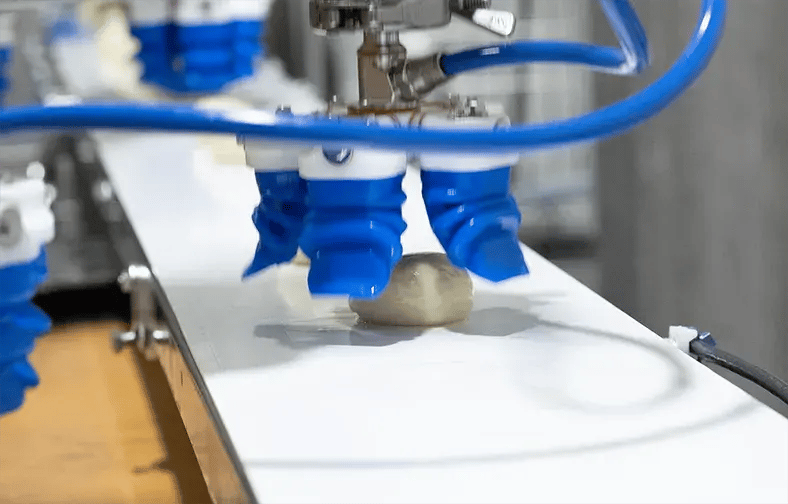
Some raw product is soft, tacky, and a slightly different shape every time, which defeats standard vision-guided picking. We’ve programmed systems that adjust pick point and grip pressure product by product, at line speed.
Fragile Glass Handling
Large, thin glass sheets break if a robot grips them wrong. Too little vacuum and the sheet slips and cracks. QComp has run robotic glass handling systems on production glass lines since 2006, and glass is the application we’ve built more systems for than any other.
Non-Woven Products
Wet wipe lines need a conveyor, a glue applicator, and a quality control station, all timed off the same encoder, then reprogrammed by SKU when pack size or lid design changes. We’ve built lidding cells running 75 to 90 picks per minute without new hardware for each new product size.
See how QComp automated wet wipe lidding at 90 picks per minute →
Flexible Packaging
Pouches can be light enough that air pressure alone shifts them off target mid-pick. We’ve engineered gripper and vision systems for a global flexible packaging producer that hold the product steady through the pick and place.
See how QComp solved flexible bag placement without new hardware →
Multi-SKU Lines
Some manufacturers run several package sizes, carton configurations, and pallet patterns through one line, with product that can’t sit and almost no room for changeover delay. We’ve built systems that handle every configuration without taking time out of production.
Raw, Inconsistent Product
Some raw product is soft, tacky, and a slightly different shape every time, which defeats standard vision-guided picking. We’ve programmed systems that adjust pick point and grip pressure product by product, at line speed.
Glass Handling
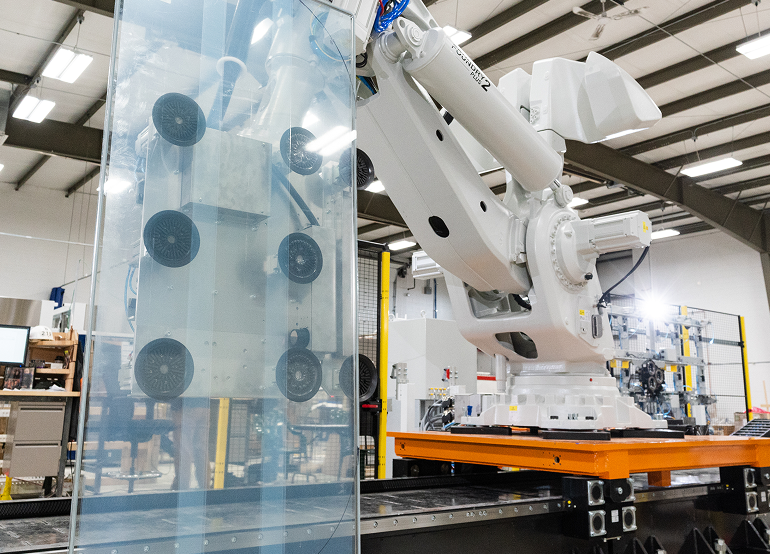
End-of-line racking, boxing, and crating built around vacuum tooling calibrated to sheet size and thickness
Palletizing and Depalletizing
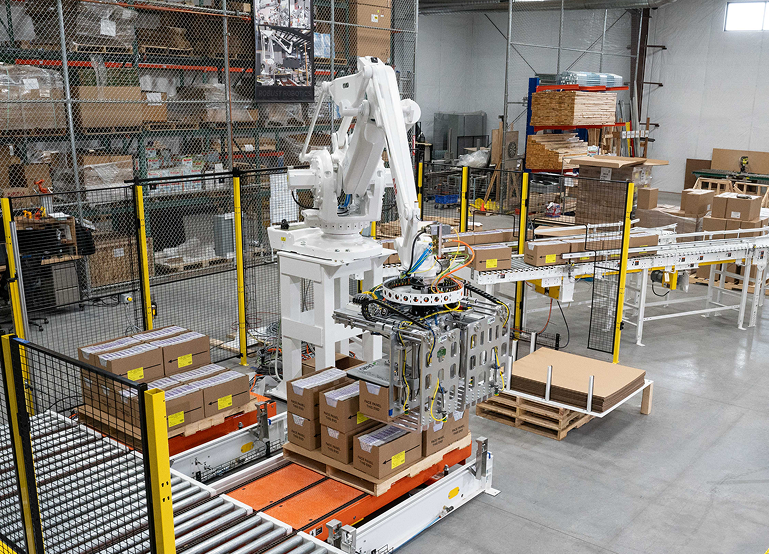
High-speed stacking and unstacking for cases, bags, and mixed-SKU pallets, including layer patterns and slip-sheet handling
Pick and Place

Vision-guided picking for products that don't arrive in a fixed position or orientation
Case Packing
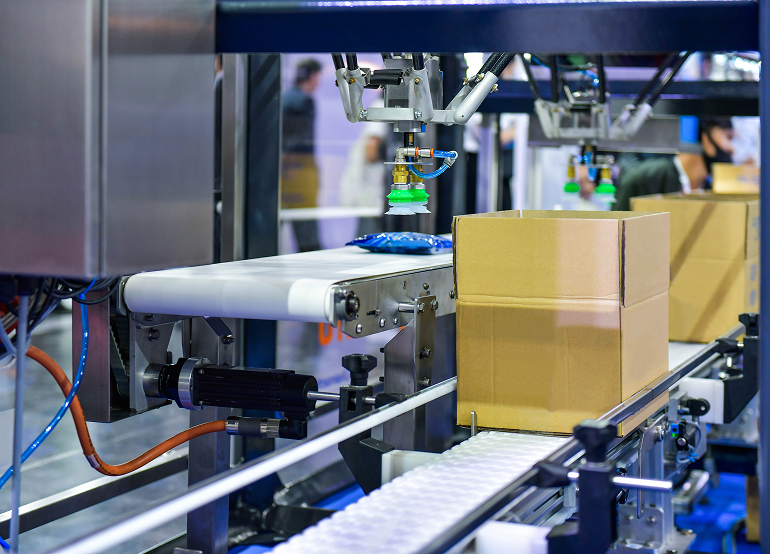
Robotic loading, closing, and sealing for cartons and cases, including continuous-motion lines
Cobots
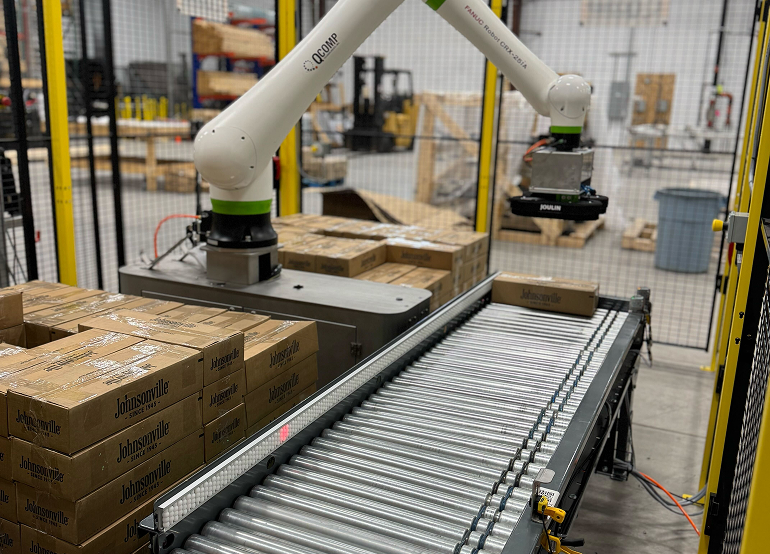
Collaborative robots for lower-volume or space-constrained applications where a full industrial cell isn't the right fit
Have a Material Handling Problem
That Doesn’t Fit a Standard Cell?
Tell us what you're trying to automate — maybe it’s the product, the line, or a constraint that’s made this hard to solve so far. We’ll tell you honestly whether it's a fit for what we do.
Have a Material Handling Problem
That Doesn’t Fit a Standard Cell?